Our Favorite Movies of 2013

The Wolf of Wall Street movie

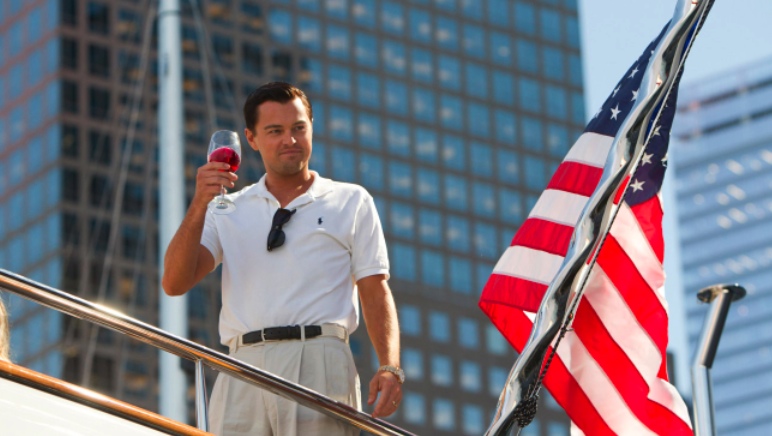
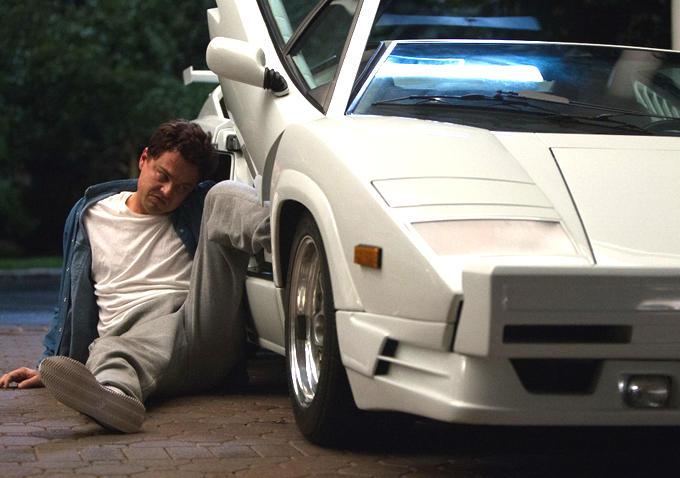
1. The Wolf of Wall Street- The funniest film of the year was made by one of the world’s greatest directors, Martin Scorsese, who is now into his 70s and nearing the very end of his career. You wouldn’t know it watching The Wolf of Wall Street, an impossibly energetic riff on the true-life exploits of Wall Street crook Jordan Belfort. The film depicts behavior most would find irrefutably lewd, misogynist, or downright amoral; most of which is played for uproarious laughs. The men in Wolf act out of humanity’s basest impulses; snorting drugs and screwing prostitutes in the office just because they have no one there to tell them “no.” Scorsese, much like the protagonist, never slows down to moralize anything on the screen, keeping the focus on the excessively sexual and drug-fueled life of Belfort and all of his brokers. It is in these outrageous slapstick moments and revolting conversations that the director becomes a sly satirist, allowing us to laugh at and observe this lifestyle from the self-aggrandizing narrator’s point of view. The uniformly great supporting cast, paired with DiCaprio’s career-best performance, carry out exhilarating, even visceral, comedy scenes that keep the film bouncing through its three-hour run-time.  Scorsese’s damning portrait of greed has a well-secured place in the canon of America’s great black comedies.

spring breakers

2. Spring Breakers- The perverse pleasures of cinema were mined and radicalized in Harmony Korine’s Spring Breakers, an apocalyptic beach party and an unforgettable deconstruction of modern America’s excesses and wastelands. Aesthetically, it mirrors the sex-and-drug infused paradise of an MTV spring break, filmed under bright pink skylines and seedy red nightclubs. Malevolence has always been a way of coping with marginality for Korine’s characters, but for Brit, Candy, Faith and Cotty, it is a way to reach the ultimate high; attaining a transcendent euphoria, not through debauched revelries but through dominance and power. Big Arch and the indelible Alien are the walking, boasting incarnations of this ever-lasting Dream, and the girls’ eventual foray into criminal warfare is all an inevitable part of their quest for insatiable pleasure. As a major release in 2013, Spring Breakers is purposefully indefinable, and so nonplussed reactions from Gen-Y are unsurprising (strangely, our drug-obsessed culture doesn’t seem too interested in art inspired by drugs?). But not working directly as an obvious critique of anything is exactly why the film will endure; by evading a definite “purpose,” it is a piece of art that can be observed from a multitude of angles. If anything, the year’s masterpiece will serve as an important corrective: it’s not style over substance, style is the substance.

Continue reading

Our Favorite Performances of 2013

DiCaprio Wolf of Wall Street

1. Leonardo DiCaprio, The Wolf of Wall Street- A career-best performance for DiCaprio in his thrilling latest collaboration with Martin Scorsese.  He gives off machine-gun bursts of energy as Wall Street crook Jordan Belfort and shows an amazing knack for both physical and verbal comedy that his often-serious portrayals don’t let him bring out.  It’s both loud and rambunctious and deeply nuanced.  (Added Dec. 30) 

Frances Ha

2. Greta Gerwig, Frances Ha- This fantastic turn is the stunning result of Greta Gerwig’s New Wave collaboration with director Noah Baumbach.  While also serving as co-writer of the movie, Gerwig captures a rocky period of this 27-year-old dancer wannabe’s life with a contagious charm.  The movie is very much built around her unpredictability, and she captures the pain and anxiety of post-college youth without overplaying her hand.  She is a Manic Pixie Dream Girl whose dreams are her own.

blue-jasmine-trailer

3. Cate Blanchett, Blue Jasmine – Woody Allen’s latest simply wouldn’t have been as good without this thunderous performance from Cate Blanchett.  She manages the difficult task of creating a loathsome woman that also elicits pity.  After a long string of privileged existence, Jasmine is finally forced to confront the depths of her mental instability when her Madoff-esque husband is caught.  Blanchett gazes unflinchingly into the abyss of depression with raw feeling and crucial sympathy.

Continue reading

Our Favorite Movies of the 2000s

It has been a few years since the end of the 2000s, which gives a crucial amount of distance when examining that decade in movies.  It has also given us time to watch quite a few more that we either hadn’t seen (Dogville) or hadn’t had enough time to see again (A Serious Man).  When looking back I (Matt) realized that my new choices were almost completely different or rearranged in order, not to mention my rapidly changing taste and appreciation of movies.  Here is a new list, compiled by me and our new writer, Sam Tunningley.

mulholland-drive

1. Mulholland Dr. (2001)- Mulholland Dr.’s appeal is made of the very things that tend to overwhelm and frustrate most who try to approach it. It can seem opaque in many moments, maybe even incomprehensible to some by the end, and it is one of the most brazenly personal and bizarre films to be marketed through a major studio. Lynch almost always uses dream logic as a guiding force through his work, and the narrative here is no different, simultaneously having one foot in lucidity and one foot in abstractedness. It is a puzzle film where the solution is not sought through explanatory means—rather, it is the fine details, such as the rich hues of its interiors or the Jitterbug sequence that opens it, that are key to unraveling its mystery. This is not so much meant to frustrate or provoke than it is to demonstrate film’s capacity for recreating dreams. It gives us broken desires in Hollywood and terrifying visions behind a diner through a stream of imagery that can turn from seductive to otherworldly to outright horrifying. The performances (Watts, in particular) lunge from intentionally artificial to bracingly real, masterfully taking on the wide and exhausting emotional terrain of the director’s vision. It is a perfect rendering of the dreamy universe that Lynch has been working toward his entire career, a perfect realization of the material by all involved, a flurry of abstract imagery and complex emotions—a perfect movie.

Continue reading

Our Favorite Movies of the 1980s

do the right thing

1.  Do the Right Thing- One of the angriest and most honest American films ever made, Spike Lee’s masterpiece chronicles “the hottest day of the year” in a Brooklyn neighborhood, and is the finest movie of the ’80s.  The summer heat only adds to simmering racial tensions, and by the time Mookie (Lee) throws that infamous trashcan through the window of Sal’s Pizzeria the sun has already set and it has been cooling off  for a while.  The self-contained world of Do the Right Thing is a theatrical microcosm of American society; a pot where nobody wants to melt and a country where compromise is never a real solution.

ranbdcap3_original

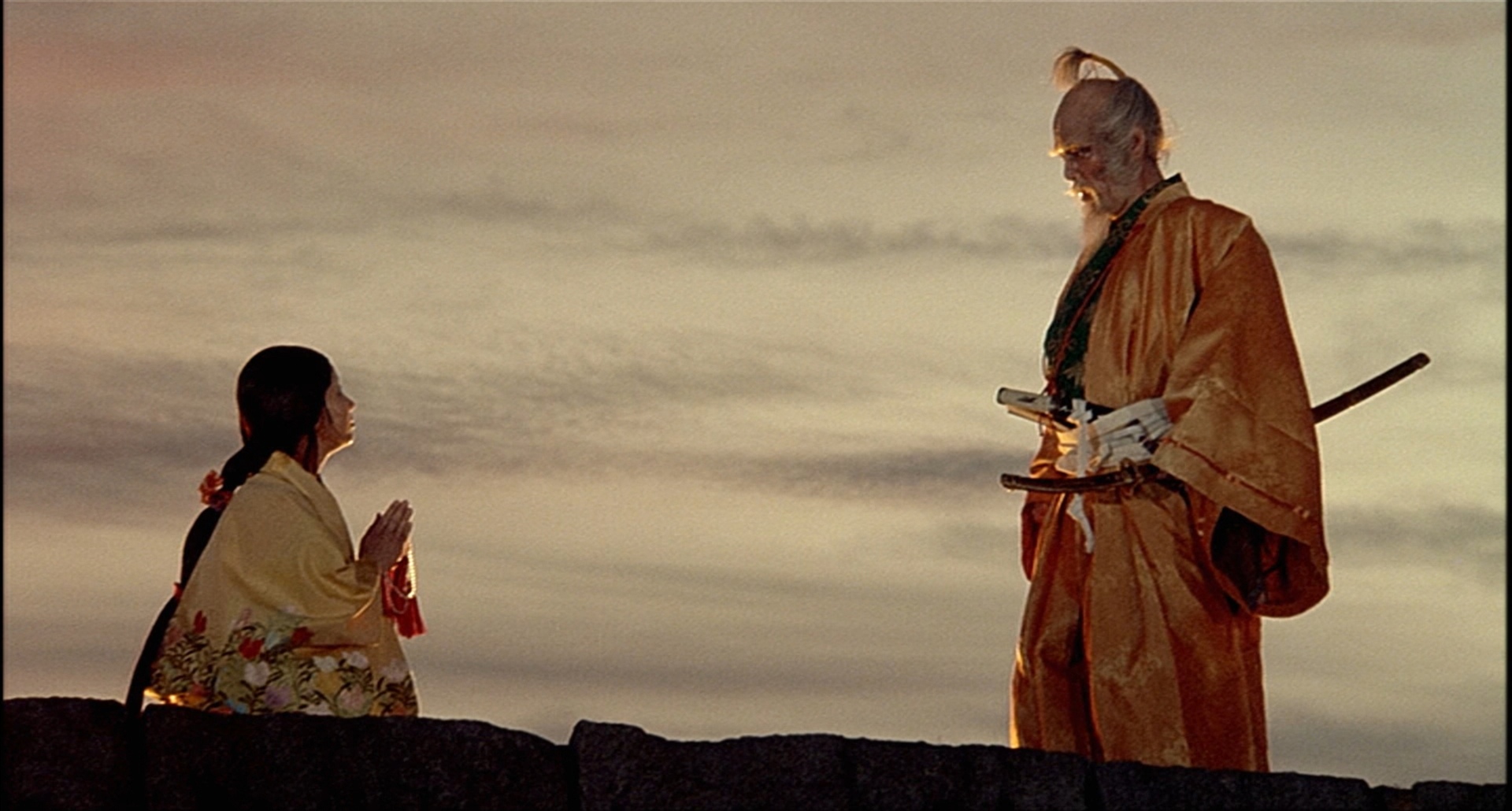
2.  Ran- Akira Kurosawa’s epic retelling of King Lear is arguably cinema’s lushest and most powerful Shakespearean adaptation.  Set in medieval Japan with all its lavish costumes and swordplay, it tells the story of an aging warlord who turns his kingdom over to his three sons, who tear it and their family apart and drive their father mad.  Ran is perhaps the greatest film from one of the greatest directors of all time, a screen epic fueled by rage, greed and broken honor.

Continue reading

2013 Oscar predictions: Matt’s picks

I must preface my list of predictions as I do every year: I really could care less who wins any of these awards, even though this is a surprisingly decent year as far as the Oscars go.  With that said, here are my thoughts on this year’s nominees, including who should have been nominated.
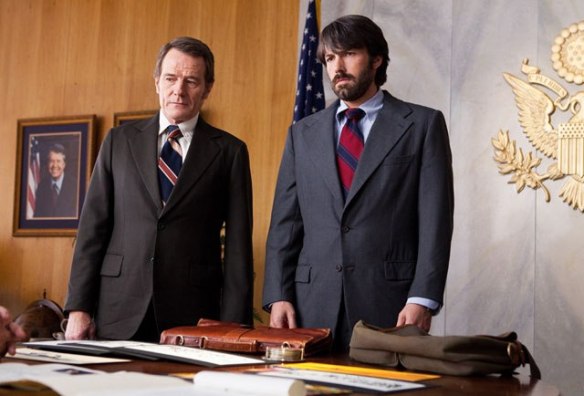
Argo

Best Picture: Amour, Argo, Beasts of the Southern Wild, Django Unchained, Les Misérables, Life of Pi, Lincoln, Silver Linings Playbook and Zero Dark Thirty

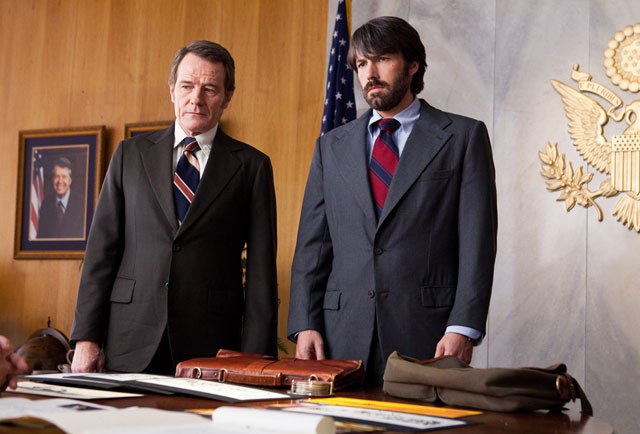
  • Will Win: Argo.  Ben Affleck’s spy thriller has been gaining crucial late-season momentum, and even though it is without a Best Director nomination, it has surpassed both the Weinstein-backed Silver Linings Playbook and the seemingly unstoppable Lincoln as the front-runner.
  • Should Win: Beasts of the Southern Wild or Zero Dark Thirty.  Both were groundbreaking, uniquely powerful movie-going experiences.  Not to say that I wasn’t moved in some way by each of the others (even Les Mis), but as a whole, those two and Amour were the three best movies I saw from 2012.
  • Left out: This is one of the least upsetting batches of Best Picture nominees in recent memory, but I can still complain about the exclusion of The Master, Dark Horse and Take This Waltz.  All would’ve made fine substitutions for a certain horrendously dull musical that I think I’ve complained about enough for a lifetime.
url

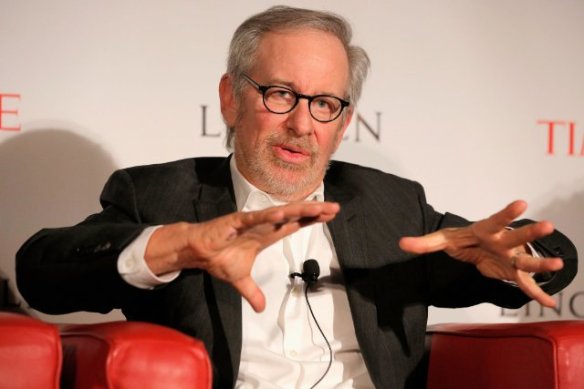
Best Director: Michael Haneke (Amour), Benh Zeitlin (Beasts of the Southern Wild), Ang Lee (Life of Pi), Steven Spielberg (Lincoln) and David O. Russell (Silver Linings Playbook)

  • Will Win: Steven Spielberg.  Though he is likely to lose the biggest prize of the night, he will be honored here for his superb, subdued direction in Lincoln.
  • Should Win: All are fine nominees, but I would pick Zeitlin or Lee over Spielberg.  Lee pulled off astonishing technical feats in Life of Pi and used it to enhance the story rather than overshadow it.  That’s the kind of thing this trophy should reward.
  • Left out: Obviously the biggest omission here is Kathryn Bigelow, though seeing Paul Thomas Anderson or Quentin Tarantino up there wouldn’t have been upsetting.  As it stands though, not a bad batch of nominees.
troubled lincoln at desk

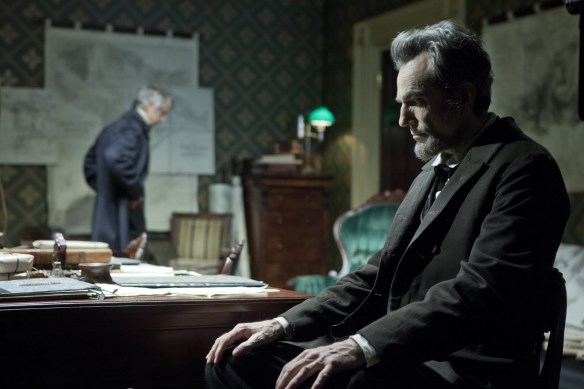
Best Actor: Bradley Cooper (Silver Linings Playbook), Daniel Day-Lewis (Lincoln), Hugh Jackman (Les Misérables), Joaquin Phoenix (The Master) and Denzel Washington (Flight)

  • Will Win: Daniel Day-Lewis, obviously.
  • Should Win: Day-Lewis, Phoenix and Washington are all worthy, so no complaints about DDL collecting his third Best Actor trophy.
  • Left out: Richard Gere in Arbitrage, Jean-Louis Trintignant in Amour and/or Jack Black in Bernie should have replaced Hugh Jackman and Bradley Cooper.
silver-linings-playbook-img03

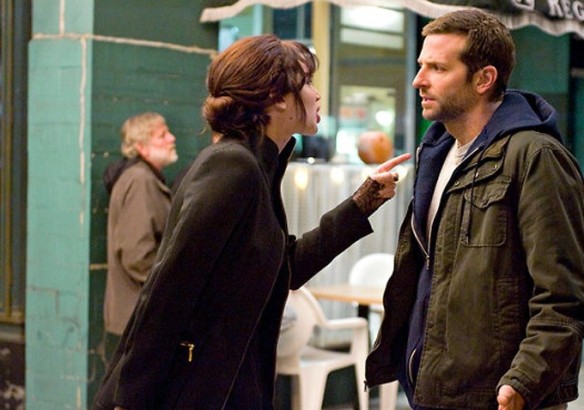
Best Actress: Jessica Chastain (Zero Dark Thirty), Jennifer Lawrence (Silver Linings Playbook), Emmanuelle Riva (Amour), Quvenzhané Wallis (Beasts of the Southern Wild) and Naomi Watts (The Impossible)

  • Will Win: Jennifer Lawrence is the only near-certain victory for Silver Linings Playbook, and deservedly so.
  • Should Win: This is one of the stronger, more surprising categories.  Emanuelle Riva gives the best performance of the bunch, though I haven’t seen The Impossible yet.
  • Left out: Marion Cotillard in Rust and Bone and Rachel Weisz in The Deep Blue Sea were both incredible performances, but if they had been nominated I would complain about the exclusion of one of the others.
lincoln-2012-tommy-lee-jones

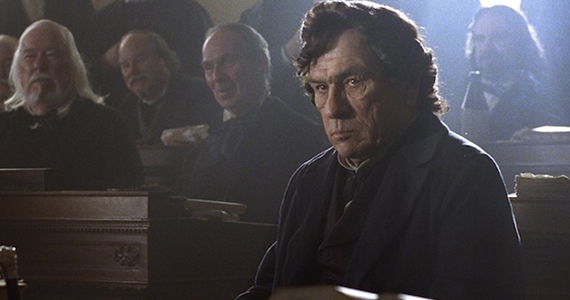
Best Supporting Actor: Alan Arkin (Argo), Robert De Niro (Silver Linings Playbook), Philip Seymour Hoffman (The Master), Tommy Lee Jones (Lincoln) and Christoph Waltz (Django Unchained)

  • Will Win: This may be the most unpredictable category of the night, though I think Tommy Lee Jones and his wig will walk away victorious.
  • Should Win: Jones was incredibly entertaining in Lincoln, but so was De Niro in Silver Linings Playbook.  Waltz and Hoffman were both leads in my eye (The Master is named after Hoffman’s character), and Arkin was spunky but not really anything special in Argo.  
  • Left out: Matthew McConaughey had a hell of a year in 2012, and could’ve been nominated for either Magic Mike or Bernie.  It would’ve been nice to see Javier Bardem make history and be the first Bond villain nominated, and Leonardo DiCaprio and Samuel L. Jackson were also terrific baddies in Django Unchained.
reg_1024.10lesmis.ls.12212

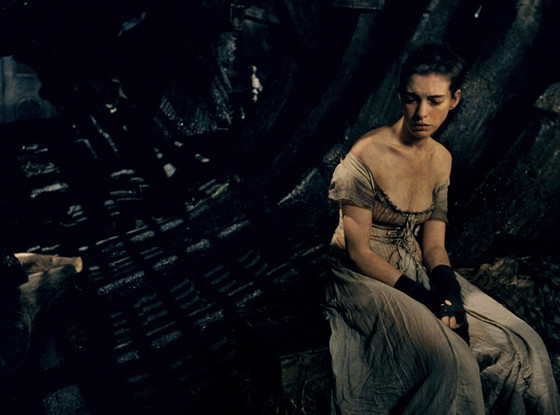
Best Supporting Actress: Amy Adams (The Master), Sally Fields (Lincoln), Anne Hathaway (Les Misérables), Helen Hunt (The Sessions), Jacki Weaver (Silver Linings Playbook)

  • Will Win: Despite a series of increasingly unbearable acceptance speeches, Anne Hathaway has this one on lockdown.
  • Should Win: Sally Fields would be my first choice, but Amy Adams is a close second.  Both stick out in male-dominated movies, and Fields in particular brings astonishing life to her character, the volatile, mentally anguished Mary Todd Lincoln.
  • Left out: Overall this is a weak category.  Jacki Weaver was good but very minimal in Silver Linings Playbook, and Anne Hathaway is really only nominated for singing well.  She was very good in The Dark Knight Rises, and should have been nominated for that instead.  I haven’t seen The Sessions, but I would’ve given this category an overhaul and nominated Frances McDormand in Promised Land, Cécile de France in The Kid With a Bike and Nicole Kidman in The Paperboy.
url

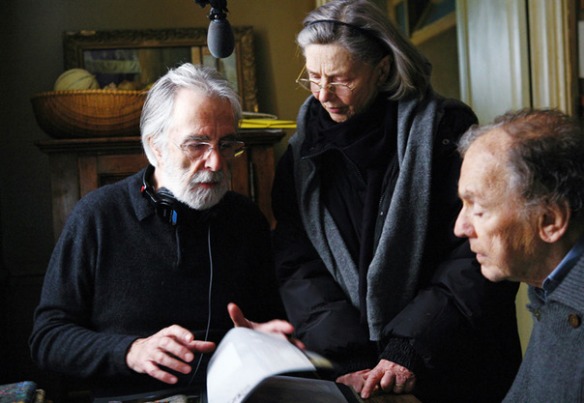
Best Original Screenplay: Michael Haneke (Amour), Quentin Tarantino (Django Unchained), John Gatins (Flight), Wes Anderon & Roman Coppola (Moonrise Kingdom) and Mark Boal (Zero Dark Thirty)

  • Will Win: I’m going to take a risk here and bet on Michael Haneke, though Tarantino could win since the Academy likes to recognize him more as a writer.
  • Should Win: I need to revisit Amour, but its screenplay was subtle and haunting and Haneke deserves recognition.  However, Mark Boal’s work with Zero Dark Thirty is a layered, incredibly complex piece of work.
  • Left out: Paul Thomas Anderson deserved to be nominated for The Master, but I would also lighten it up more with Leslye Headland’s brutally comedic script for Bachelorette.
112912_Lincoln_605M

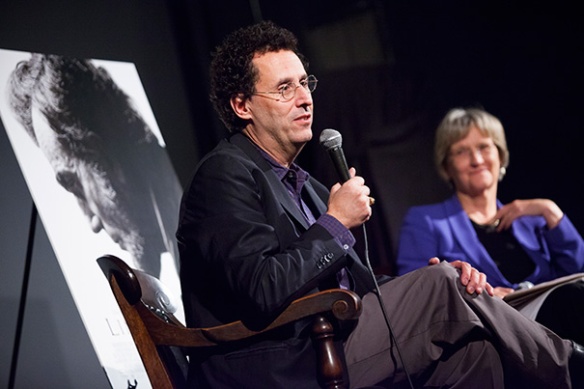
Best Adapted Screenplay: Chris Terrio (Argo), Lucy Alibar and Benh Zeitlin (Beasts of the Southern Wild), David Magee (Life of Pi), Tony Kushner (Lincoln) and David O. Russell (Silver Linings Playbook).

  • Will Win: Tony Kushner, though Terrio could upset if Argo steals more awards from Lincoln.
  • Should Win: Kushner’s immaculately detailed flair for language is one of Lincoln’s biggest strengths.  He is far and away the most deserving nominee in this category.
  • Left out: Richard Linklater and Skip Hollandsworth deserved to be nominated for their Bernie screenplay, but the greatest omission here is David Cronenberg for the richly layered copy-and-paste job he did with Cosmopolis.  Without that intense dedication to capturing Dom DeLillo’s language, the movie would’ve failed miserably.

url

My predictions in the remaining categories:

Cinematography: Life of Pi

Animated Feature: Wreck It Ralph

Costume DesignLincoln

Art DirectionLincoln

EditingArgo 

Foreign Language FilmAmour

DocumentarySearching for Sugar Man

MakeupThe Hobbit: An Unexpected Journey

Original ScoreLincoln

Original Song: “Skyfall”- Adele

Visual EffectsLife of Pi

Sound EditingLife of Pi

Sound Mixing: Les Misérables
The Fine Line: How the Oscars subdue controversy by embracing it

Picture 11

Looking through the latest score of Oscar nominees, it’s difficult not to be a little bit happy. Eight of the nine nominees for Best Picture actually sort of deserve to be there, as do most of the acting nominees.  It’s actually difficult to pinpoint the greatest surprise success, though you’d have a hard time arguing that it’s not either Michael Haneke’s Amour and Benh Zeitlin’s Beasts of the Southern Wild.  Both of these films “stole” Best Director nominees from the likes of Quentin Tarantino, Kathryn Bigelow and Ben Affleck, though we named them as the two best movies of the year.

However, the Oscars have slowly been dwindling further into mediocrity long before the Academy switched their Best Picture policy to, “We’ll nominate however many goddamn movies we feel like” and kept the directing category limited at five nominees.  Looking at the past five years of winners, three of them (Slumdog Millionaire, The King’s Speech and last year’s The Artist) were the un-upsetting crowd-pleasers of their respective year.  The other two (No Country for Old Men and The Hurt Locker) were technical masterworks deserving of the kind of pedigree the Oscars are supposed to represent.

Continue reading

Our Favorite Movies of 2012

boat

1.  Beasts of the Southern WildNo matter how skilled a filmmaker is, rarely does a movie come along that creates a cinematic world that is seething with a new kind of life, a world or vision that movies haven’t seen before.  Director Benh Zeitlin, working with a do-it-yourself low budget commune of filmmaking talent and some extraordinary “non-professional” performers, does that with Beasts of the Southern Wild.  The ferocious story of Hushpuppy (the amazingly talented child actress Quvenzhané Wallis) and her small, increasingly hopeless village on the other side of a Louisiana levee is filled with fantastical, visually stunning sequences as well as low budget narrative economy.  It is this year’s biggest contradiction, and its biggest success.

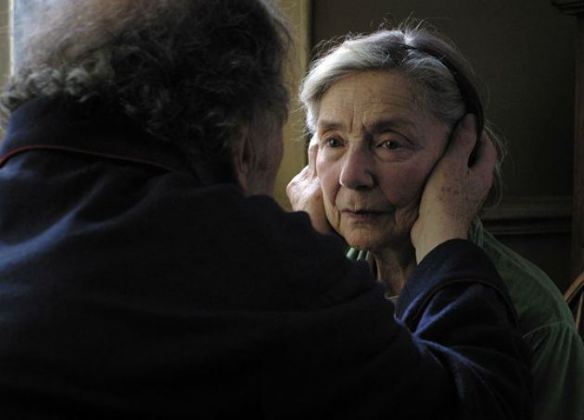
amour

2. Amour– Michael Haneke’s second movie in a row to win the Cannes Film Festival’s highest honor (the Palme D’or) is the director’s most empathetic and devastating work to date.  As the camera lingers in the apartment of Georges and Anne (legendary French performers Jean-Louis Trintignant and Emanuelle Riva in devastatingly good form), we become privy to the elderly Parisian couple’s tender, haunting final moments together.  It is a slow crawl toward death, absent plot twists or Haneke’s sadism.  Watching it yields no pleasure, but everything from the incredible performances to the wonderfully precise camera movement lingers long after the movie ends.

Continue reading

Our Favorite Performances of 2012

072712-the-master

1. Joaquin Phoenix (The Master)- There must be something about Paul Thomas Anderson that gets such raw, elemental performances for his movies.  Phoenix, after his faux crazy odyssey, gives The Master such ferocious, filthy life that he managed to beat all the other fantastic roles this year, including the great Daniel Day-Lewis (who also gave Anderson an immortal performance in There Will Be Blood).

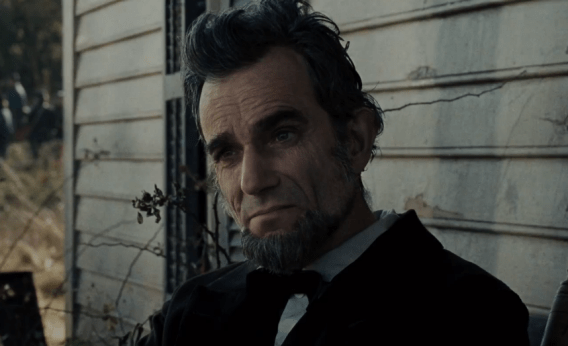
Day-Lewis_Lincoln_trailer.png.CROP.rectangle3-large

2. Daniel Day-Lewis (Lincoln)- Though Lincoln is an ensemble drama, it is built from the ground up around a character that needed to be reigned in and humanized.  Day-Lewis is not larger than life as our 16th president because that would’ve added layers of cheese to a movie that was already scored by John Williams.  His take on Lincoln often appears exhausted, both physically and emotionally, as he should be while overseeing the Civil War while trying to push through the 13th amendment to ban slavery and contend with family drama.

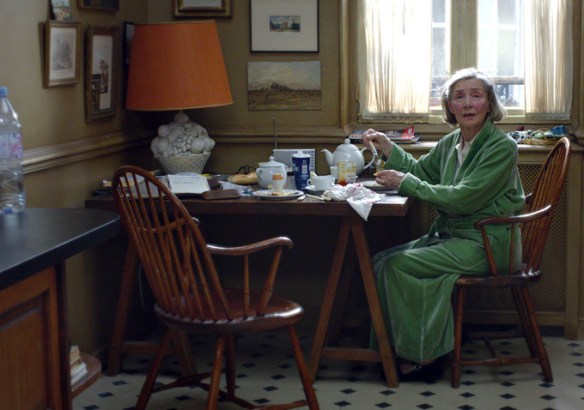
Emmanuelle+Riva+Amour

3.  Emmanuelle Riva (Amour)- The slow, ruthless decline of Anne during Michael Haneke’s Amour is essential to the movie’s success.  From her first, silent stroke at the breakfast table to her crippled, mangled body by the end, this is a performance that required great emotional honesty without overdoing it.  She gives one of the most wrenching depictions of hopeless, helpless illness ever.

Continue reading

10 Movies I Changed My Mind About

I hated Pulp Fiction the first time I saw it.  The first Tarantino movie I’d ever seen was Kill Bill: Vol. 1, which is a decidedly gorier and altogether more accessible movie for an eighth grader (technically I wasn’t legally “mature enough” for either by the MPAA’s standards), although I was the only one in my grade who seemed to enjoy it.  When I watched Pulp Fiction for a second (and a third and a fourth ad infinitum) viewing, it gripped me like few other movies had before or since.  To this day it is still one of my all-time favorites.

Movies, especially great ones, often change from viewing to viewing, not because they are different but because we are.  Though we now live in an age of Rotten Tomato blurbs and aggregated consensus, a critic’s most valued possession is still their written voice.  With every review now posted quickly and then archived online, conversation on most movies usually peaks quickly when they are first released, and then dissipates just as fast.  The only time afforded to looking back is the annual “Best of the Year” cluster fuck.

Continue reading

CLASSICS: Mulholland Dr.

Mulholland Dr.
Directed by: David Lynch
Written by: David Lynch (screenplay)
Starring: Naomi Watts, Laura Harring, Justin Theroux and Ann Miller

David Lynch’s Mulholland Dr. seeks to do nothing less than redefine cinematic narrative.  By playing off expectations- those that precede dread and anticipate desire- he creates a hallucinatory dreamscape that, like many dreams, is populated with familiar people, repeated locations and maddening symbolism.

Figuring out what a dream means is a common point of relation among people, though producing that experience on a film and draining it of the personal angle of a friend or family member makes Mulholland Dr. quite a challenging experience to interpret, especially on only one viewing.  We’re being tasked with interpreting the dream of someone we do not know.

Continue reading